
Designing AI-Powered Cake Planning Intelligence
Making It Easier for Clients to Search for the Best Price
TASK
UX Research
Visual Design
Prototyping
TEAM
8 developers
1 project manager
2 UX designers
TIMELINE
02 2026 - 09 2026
PROJECT BRIEF
This project explores how AI can help Sam’s Club Fresh managers plan daily cake production more effectively.
The experience brings together demand forecasts, staffing, inventory, and production capacity to help managers decide how many cakes to produce, when to produce them, and where operational risks may emerge.
I led the end-to-end UX, evolving the concept from automated AI planning into a decision-support system that helps managers plan ahead, respond to changes, and stay in control of high-impact decisions.

IMPACT
Faster production planning
Faster production planning
Reduction in production waste
Reduction in production waste
Increase in associate satisfaction
Increase in associate satisfaction

Start the day with AI-powered planning
Cake manager can start the day with a clear production plan based on demand, capacity, and inventory.

See the full operation at a glance
Cake manager can quickly see what needs attention, understand the impact, and prioritize the right actions.


Guide execution before delays happen
Guide execution before delays happen
Users can spot production risks early and take action before delays impact fulfillment.


An adaptive decision-support system for Cake operations.
An adaptive decision-support for Cake operations.
AI Predicts
AI Predicts
AI Guides
AI Guides
Manager Decides
Manager Decides

PROBLEM - BUSINESS
Cake department is generating a lot of waste with poor production planning. I saw an opportunity for AI to assist decision-making.
I proposed a field research that demonstrate how waste and cancellations were often downstream effects of managers making complex planning decisions across disconnected demand, staffing, capacity, and inventory signals.
$51M
Monthly Waste
Monthly
Waste

12%
Order Cancellations
Order
Cancellations

3.1/5
Low satisfaction
Low
satisfaction

I found that managers weren't missing data - they were manually connecting it to make decisions.
I looked at which decisions were repetitive, data-heavy, and sensitive to changing conditions—then mapped where AI could reduce manual interpretation without removing human judgment.

ANTICIPATE
Use historical orders, walk-ins, and upcoming demand to help managers plan ahead.

OPTIMIZE
Connect staffing, production capacity, and inventory to generate a feasible plan.

ADAPT
Detect emerging risks and help managers adjust.

INITIAL ATTEMPT - AI STRATEGY
What if AI could connect all the workflow?
I worked with engineering to translate available operational signals into realistic AI capabilities.

FIRST ITERATION
Full automation reduced manual planning — but also reduced context and control.
I prototyped an AI-first planning model to automate routine decisions. Testing showed that while it reduced manual effort, managers still needed to understand why decisions were made and step in when conditions changed.


Users manually pull from multiple tools to build a plan
Users manually pull from multiple tools to build a plan
Users react to problems after they've already happened
DESIGN AI ROLE - AI ADAPTATION
I shifted AI from making decisions to supporting them.
Instead of fully automating the plan, I explored how AI could provide context and guidance throughout the manager’s workflow.

DESIGN ITERATION - PLAN
I turned planning production into actionable guidance.
Instead of asking managers to interpret demand, capacity, and staffing on their own, AI surfaces what needs attention, explains the impact, and recommends a starting action — while managers stay in control.

2.2 Design Iteration
AI Plan
Before — Fragmented & Manual Planning
Users manually pull from multiple tools to build a plan
Users manually pull from multiple tools to build a plan
Users react to problems after they've already happened
Users react to problems after they've already happened

2.5 Design Iteration
AI Plan
After — AI-Powered Actionable Workflow

Users start the shift with an AI-recommended plan and clear reasoning
Users start the shift with an AI-recommended plan and clear reasoning
Users adjust and approve — staying in control throughout
Users adjust and approve — staying in control throughout
DESIGN ITERATION - PRODUCE
I redesigned AI to flag risks mid-shift, not after the damage is done.
I embedded real-time AI alerts directly into the production view — so when a risk emerges, managers see the issue, the impact, and the recommended action in one place, without switching tools.

2.2 Design Iteration
AI Produce
Before — Static & Manual Execution
Users switch between tools to track what's happening on the floor
Users react to problems after they've already impacted production

2.5 Design Iteration
AI Produce
After — AI-Guided Real-Time Execution
Users can identify risks through real-time production monitoring and AI-powered operational insights.
Users are supported with faster interventions and more adaptive execution decisions.
DESIGN ITERATION - COMPLETE
Users can let AI turn today's execution into a smarter plan for tomorrow.
Users can let AI turn today's execution into a smarter plan for tomorrow.
I designed the Complete view so AI analyzes each day's execution — what went wrong, what caused it — and feeds those insights directly into tomorrow's plan. Managers start the next shift informed, not guessing.
2.2 Design Iteration
AI Complete
Before — Static & Manual Execution
Users switch between tools to track what's happening on the floor
Users start the next day from scratch, repeating the same guesswork
2.5 Design Iteration
AI Produce
After — Outcome-Driven Learning Loop
Users see what happened, what caused it, and what to adjust
Users receive AI-generated insights that feed directly into future planning and execution decisions.
UI ELEMENTS RETOUCH
Design system Redefine
I contributed to Walmart’s evolving enterprise design system by aligning Sam’s Club patterns with shared standards and designing reusable components for the broader design library.
Design system Redefine

Curious about the end to end design process?
I’d be happy to walk you through the full process over a call. Reach out at shenyiz@outlook.com :)


DESIGNING AI BEYOND AUTOMATION

Trust Over Automation
Trust Over Automation
Enterprise AI succeeds when users trust the system—not when it tries to replace them.

Leading through Ambiguity
Leading through Ambiguity
I helped the team navigate uncertainty by turning complex constraints into a clear product direction.

Intelligence in the Workflow
The strongest AI experiences are embedded directly into decision moments, not separated as standalone tools.

Cafe Production
B2B
Planning Tool
Physical Interaction
Tablet Devices
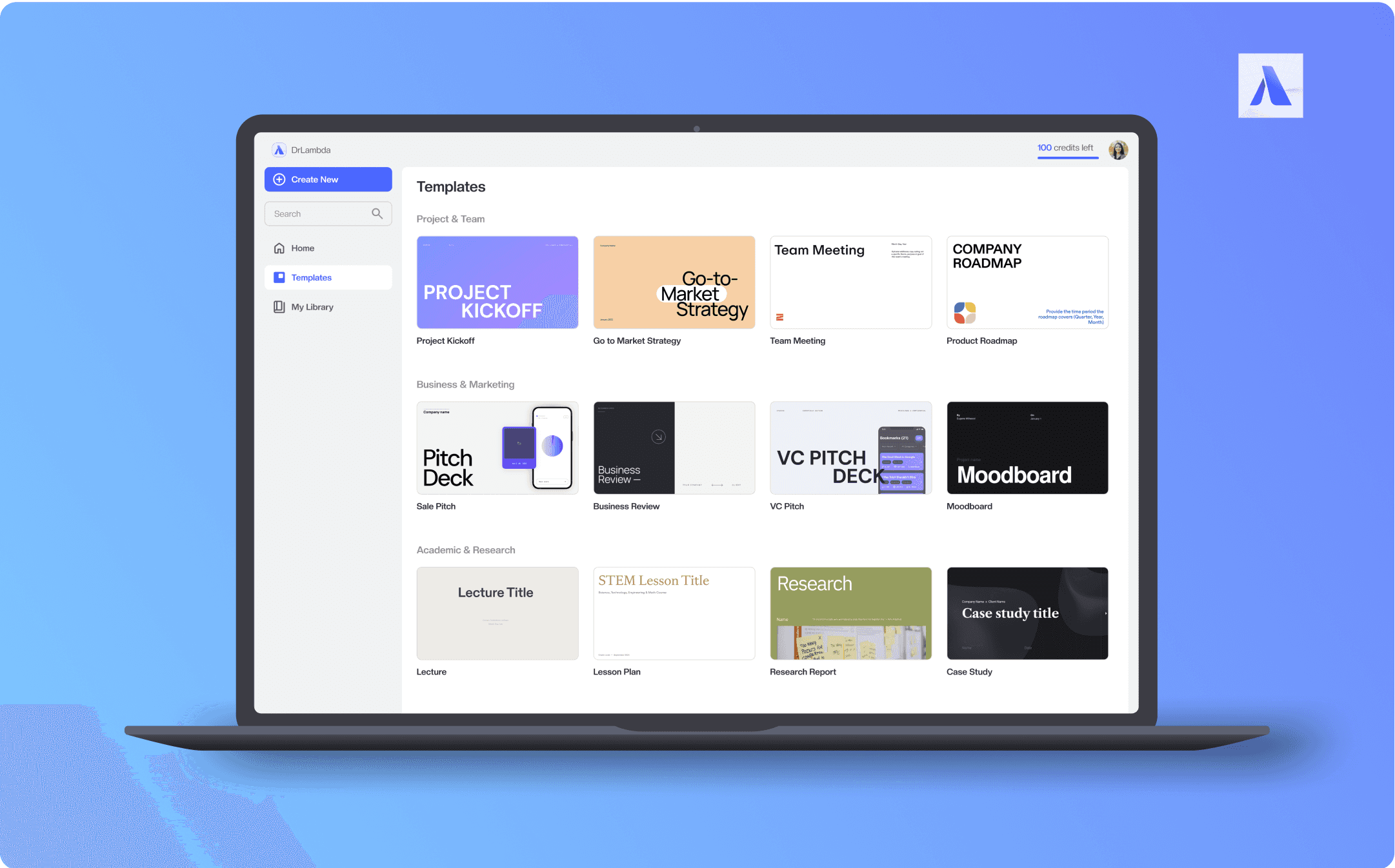
Productivity AI Tool
Productivity
AI Tool
Research
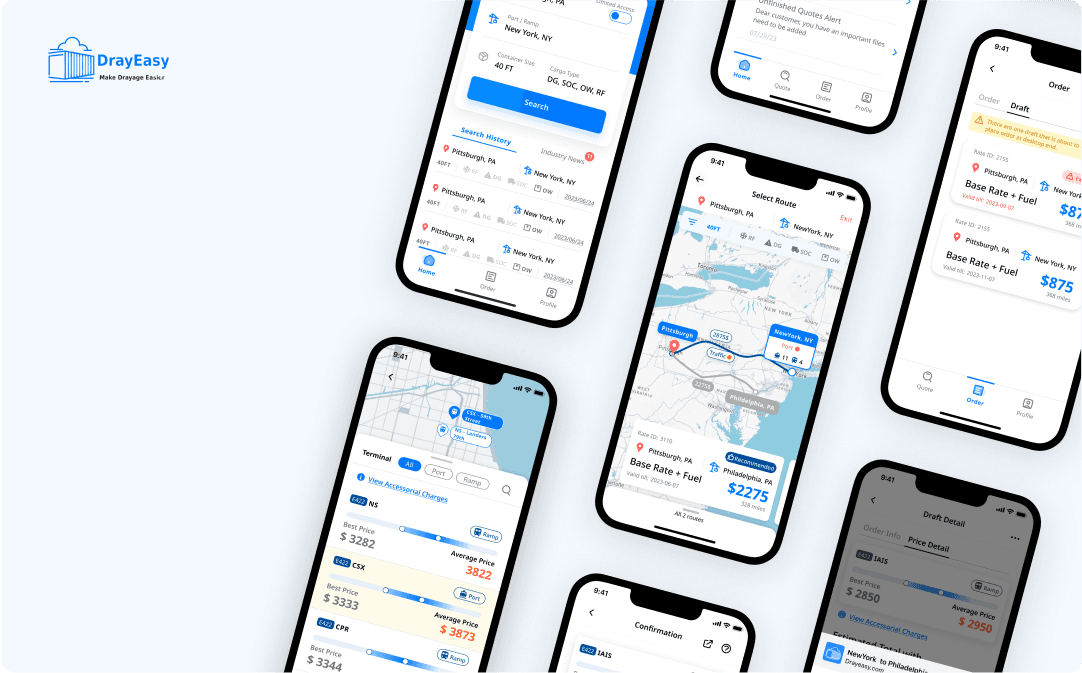
Logistic Industry
B2B
B2B
Logistic
Logistic
Mobile App
Mobile App
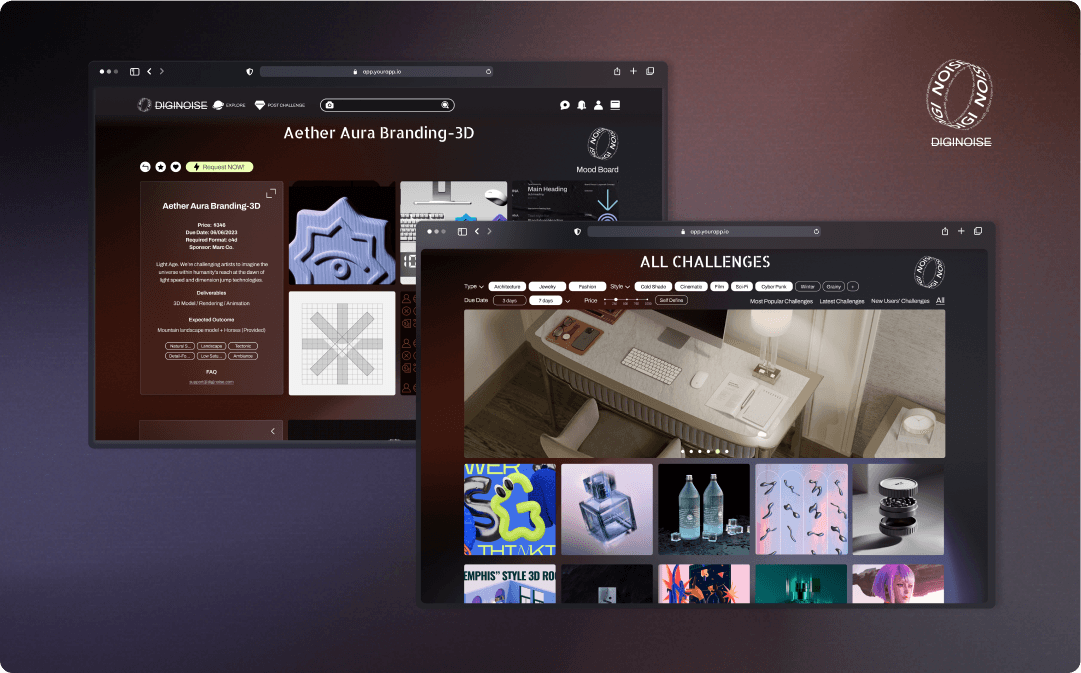
Interactive 3D Community
3D Interactive Prototyping
3D Interactive Prototyping
Motion Design
Motion Design
VR/AR
VR/AR


Copyright © 2026 Shenyiz. Made with ❤️ in AR

2.2 Design Iteration
AI Complete
Before — Static & Manual Execution
Users finish the shift with no visibility into what went wrong or why
Users start the next day from scratch, repeating the same guesswork
2.5 Design Iteration
AI Produce
After — Outcome-Driven Learning Loop
Users can identify risks through real-time production monitoring and AI-powered operational insights.
Users receive AI-generated insights that feed directly into future planning and execution decisions.
Designing AI-Powered Cake Planning Intelligence

TEAM
TEAM
3 developers
3 developers
1 project manager
1 project manager
4 UX designers
4 UX designers
PROJECT BRIEF
PROJECT BRIEF
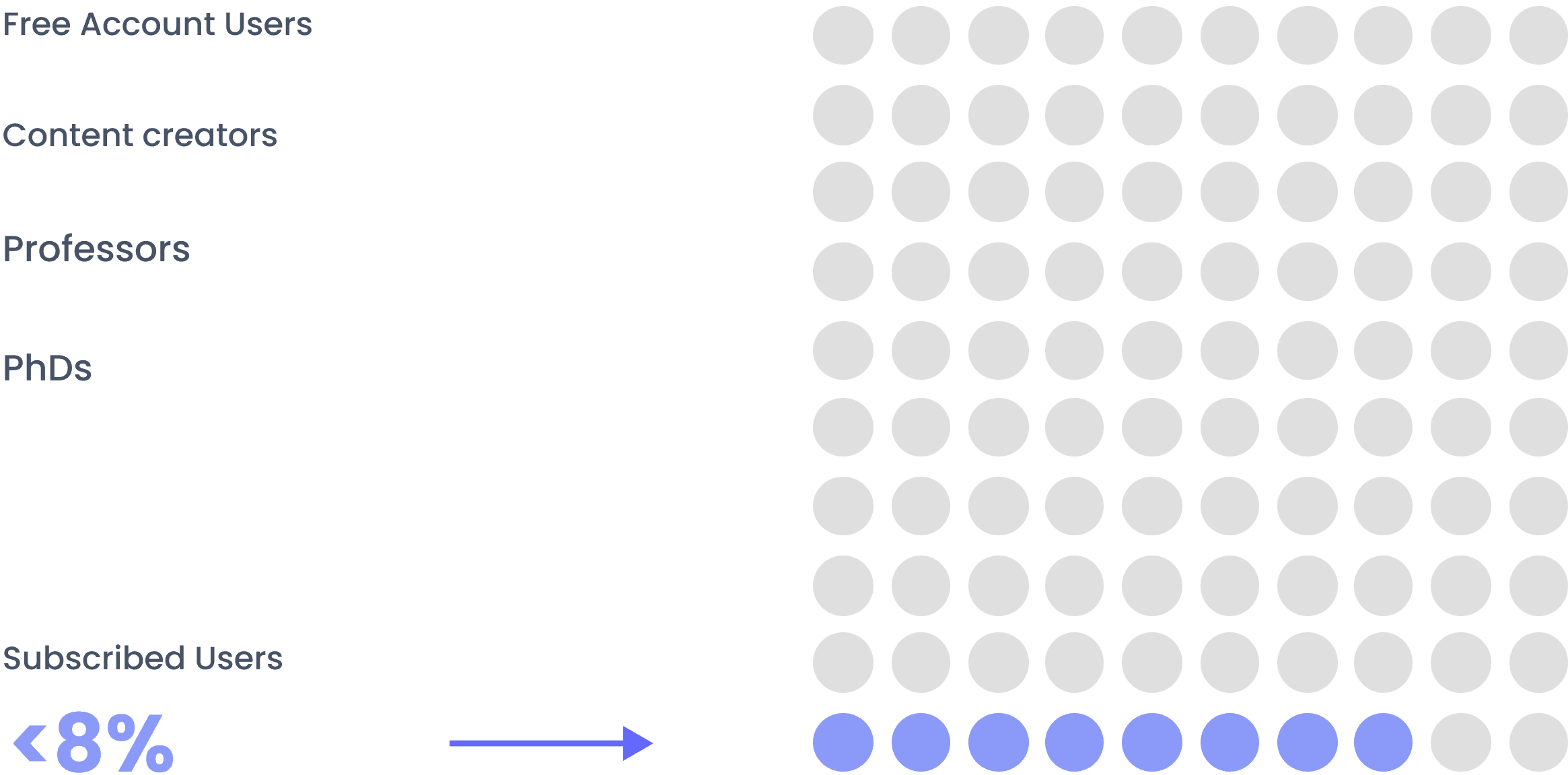
Dr. Lambda is targeting professionals such as product managers, aiming to increase premium subscriptions by introducing new, advanced features tailored to enhance their content creation process.
Reimagining how Sam’s Club Fresh system plan, monitor, and optimize daily production with embedded AI, turning complex data into frictionless progress.
Reimagining how Sam’s Club Fresh system plan, monitor, and optimize daily production with embedded AI, turning complex data into frictionless progress.
TASK
UX Research
Visual Design
Prototyping
MY ROLE
MY ROLE
At Dr.Lambda, I led the redesign of the website to attract more subscribed users. I conducted research to scope user challenges, streamlined task prioritization, and collaborated with the team to implement solutions. Following the launch, the new design significantly improved user workflows, reducing the time spent on editing and enhancing overall engagement with the platform.
This project explores how AI can help Sam’s Club Fresh managers plan daily cake production more effectively.
The experience brings together demand forecasts, staffing, inventory, and production capacity to help managers decide how many cakes to produce, when to produce them, and where operational risks may emerge.
I led the end-to-end UX, evolving the concept from automated AI planning into a decision-support system that helps managers plan ahead, respond to changes, and stay in control of high-impact decisions.
See the full operation at a glance
Cake manager can quickly see what needs attention, understand the impact, and prioritize the right actions.
Guide execution before delays happen
Users can spot production risks early and take action before delays impact fulfillment.
IMPACT
IMPACT
+
+
+
38.8%
38.8%
38.8%
Increase in Subscribe Users
Increase in Subscribe Users
-
-
-
16.7%
16.7%
16.7%
Decrease in Editing Time
Decrease in Editing Time
-
-
-
26.8%
26.8%
26.8%
Increase of user satisfaction
Increase of user satisfaction
FIRST HYPOTHESIS
Full automation reduced manual planning — but also reduced context and control.
I initially designed an AI system that automated the entire planning process. But managers felt like they were rubber-stamping decisions they didn't understand — trust broke down before the workflow even started. That pushed me to rethink: instead of replacing judgment, AI should support it.
Users manually pull from multiple tools to build a plan
Users react to problems after they've already happened
INITIAL ATTEMPT - AI STRATEGY
What if AI could connect all the workflow?
I worked with engineering to translate available operational signals into realistic AI capabilities.
An adaptive decision-support for Fresh operations.
AI Predicts
AI Predicts
AI Guides
AI Guides
Manager Decides
Manager Decides
DESIGN AI ROLE - AI ADAPTATION
I shifted AI from making decisions to supporting them.
Instead of fully automating the plan, I explored how AI could provide context and guidance throughout the manager’s workflow.
BEYOND THE SCREEN — DEFINING AI’S ROLE
I found that managers weren't missing data - they were manually connecting it to make decisions.
I looked at which decisions were repetitive, data-heavy, and sensitive to changing conditions—then mapped where AI could reduce manual interpretation without removing human judgment.

UNCOVERING THE REAL PROBLEM
Cake department is generating a lot of waste with poor production planning. I saw an opportunity for AI to assist decision-making.
I proposed a field research that demonstrate how waste and cancellations were often downstream effects of managers making complex planning decisions across disconnected demand, staffing, capacity, and inventory signals.
Monthly Waste
$51M
Order
Cancellations
12%
3.1/5
Satisfaction
ANTICIPATE
Use historical orders, walk-ins, and upcoming demand to help managers plan ahead.
OPTIMIZE
Connect staffing, production capacity, and inventory to generate a feasible plan.
ADAPT
Detect emerging risks and help managers adjust before fulfillment is impacted.
UI ELEMENTS RETOUCH
Design System Redefine
Design System Redefine
I contributed to Walmart’s evolving enterprise design system by aligning Sam’s Club patterns with shared standards and designing reusable components for the broader design library.
INITIAL ATTEMPT - AI STRATEGY
What if AI could connect all the workflow?
I worked with engineering to translate available operational signals into realistic AI capabilities.
FIRST HYPOTHESIS
Full automation reduced manual planning — but also reduced context and control.
I initially designed an AI system that automated the entire planning process. But managers felt like they were rubber-stamping decisions they didn't understand — trust broke down before the workflow even started. That pushed me to rethink: instead of replacing judgment, AI should support it.
Users manually pull from multiple tools to build a plan
Users react to problems after they've already happened

PROJECT KEY TAKAWAYS
DESIGNING AI BEYOND AUTOMATION
DESIGNING AI BEYOND AUTOMATION
ANTICIPATE
Use historical orders, walk-ins, and upcoming demand to help managers plan ahead.
OPTIMIZE
Connect staffing, production capacity, and inventory to generate a feasible plan.
ADAPT
Detect emerging risks and help managers adjust.
DESIGN AI ROLE - AI ADAPTATION
I shifted AI from making decisions to supporting them.
Instead of fully automating the plan, I explored how AI could provide context and guidance throughout the manager’s workflow.
BEYOND THE SCREEN — DEFINING AI’S ROLE
I found that managers weren't missing data - they were manually connecting it to make decisions.
I looked at which decisions were repetitive, data-heavy, and sensitive to changing conditions—then mapped where AI could reduce manual interpretation without removing human judgment.
UNCOVERING THE REAL PROBLEM
Cake department is generating a lot of waste with poor production planning. I saw an opportunity for AI to assist decision-making.
I proposed a field research that demonstrate how waste and cancellations were often downstream effects of managers making complex planning decisions across disconnected demand, staffing, capacity, and inventory signals.
Monthly Waste
$51M
12%
Order
Cancellations
3.1/5
Satisfaction
Creating a Design Guidelines
Trust Over Automation
Enterprise AI succeeds when users trust the system—not when it tries to replace them.
Leading through Ambiguity
I helped the team navigate uncertainty by turning complex constraints into a clear product direction.
Maximize AI Integration
Maximize AI Integration
The strongest AI experiences are embedded directly into decision moments, not separated as standalone tools.
UI ELEMENTS RETOUCH
Design system Redefine
I contributed to Walmart’s evolving enterprise design system by aligning Sam’s Club patterns with shared standards and designing reusable components for the broader design library.
Logistic Industry
Logistic Industry
B2B
Logistic
Mobile App
Interactive 3D Community
Interactive 3D Community
3D Interactive Prototyping
3D Interactive Prototyping
3D Interactive Prototyping
Motion Design
Motion Design
Motion Design
VR/AR
VR/AR
VR/AR
Productivity AI Tool
Productivity
AI Tool
Research
Cafe Production
B2B
Planning Tool
Physical Interaction
Tablet Devices


An adaptive decision-support for Fresh operations.
AI Predicts
AI Predicts
Interprets operational signals
Interprets operational signals
AI Guides
Recommends next best actions
Manager Decides
Apply real-world judgment
AI Guides
Recommends next best actions
Manager Decides
Apply real-world judgment
Designing AI-Powered Cake Planning Intelligence
Curious about the end to end design process?
Curious about the end to end design process?
I’d be happy to walk you through the full process over a call. Reach out at shenyiz@outlook.com :)
I’d be happy to walk you through the full process over a call. Reach out at shenyiz1103@outlook.com :)
I’d be happy to walk you through the full process over a call. Reach out at shenyiz@outlook.com :)
Start the day with AI-powered planning
Start the day with AI-powered planning
Start the day with AI-powered planning
AI translates demand, labor capacity, and inventory signals into optimized production plans managers can trust.
Cake manager can start the day with a clear production plan based on demand, capacity, and inventory.
Cake manager can start the day with a clear production plan based on demand, capacity, and inventory.
Start the day with AI-powered planning
See the full operation at a glance
Cake manager can quickly see what needs attention, understand the impact, and prioritize the right actions.
Start the day with AI-powered planning
Guide execution before delays happen
AI translates demand, labor capacity, and inventory signals into optimized production plans managers can trust.
Users can spot production risks early and take action before delays impact fulfillment.
Trust Over Automation
Enterprise AI succeeds when users trust the system—not when it tries to replace them.
Leading through Ambiguity
I helped the team navigate uncertainty by turning complex constraints into a clear product direction.
Intelligence in the Workflow
The strongest AI experiences are embedded directly into decision moments, not separated as standalone tools.
DESIGN ITERATION - PRODUCE
DESIGN ITERATION - PLAN
Users need better visibility into operational risks while work is in progress
I redesigned AI to flag risks mid-shift, not after the damage done.
I turned planning production into actionable guidance.
AI continuously monitors production progress, workload distribution, and execution status in real time. This helps users identify issues earlier and take action before delays impact fulfillment and member experience.
AI analyzes demand, labor capacity, and inventory signals to identify operational risks before production begins, helping managers create more reliable plans with less manual effort.
Instead of asking managers to interpret demand, capacity, and staffing on their own, AI surfaces what needs attention, explains the impact, and recommends a starting action — while managers stay in control.
2.2 Design Iteration
AI Plan
AI Produce
Before — Fragmented & Manual Planning
Before — Fragmented & Manual Planning
Users manually pull from multiple tools to build a plan
Users react to problems after they've already happened
Users often react to problems slow due to limited visibility into operational risks and future workload challenges.
Users switch between tools to track what's happening on the floor
Users switch between tools to track what's happening on the floor
Users react to problems after they've already impacted production
Users react to problems after they've already impacted production
2.5 Design Iteration
AI Plan
AI Produce
After — AI-Powered Actionable Workflow
After — AI-Powered Actionable Workflow
Users can identify risks through real-time production monitoring and AI-powered operational insights.
Users can identify risks through real-time production monitoring and AI-powered operational insights.
Users start the shift with an AI-recommended plan and clear reasoning
Users are supported with faster interventions and more adaptive execution decisions.
Users are supported with faster interventions and more adaptive execution decisions.
Users adjust and approve — staying in control throughout
DESIGN ITERATION - PLAN
DESIGN ITERATION - PRODUCE
Users need clearer guidance to understand what inputs are required and how supporting files should be provided.
I turned planning production into actionable guidance.
I redesigned AI to flag risks mid-shift, not after the damage done.
AI analyzes demand, labor capacity, and inventory signals to identify operational risks before production begins, helping managers create more reliable plans with less manual effort.
Instead of asking managers to interpret demand, capacity, and staffing on their own, AI surfaces what needs attention, explains the impact, and recommends a starting action — while managers stay in control.
AI analyzes demand, labor capacity, and inventory signals to identify operational risks before production begins, helping managers create more reliable plans with less manual effort.
2.2 Design Iteration
AI Plan
AI Produce
Before — Fragmented & Manual Planning
Before — Fragmented & Manual Planning
Users manually pull from multiple tools to build a plan
Users manually pull from multiple tools to build a plan
Users react to problems after they've already happened
Users react to problems after they've already happened
Users manually pull from multiple tools to build a plan
Users switch between tools to track what's happening on the floor
Users often react to problems slow due to limited visibility into operational risks and future workload challenges.
Users react to problems after they've already impacted production
2.5 Design Iteration
AI Plan
AI Produce
After — AI-Powered Actionable Workflow
After — AI-Powered Actionable Workflow
Users start the shift with an AI-recommended plan and clear reasoning
Users start the shift with an AI-recommended plan and clear reasoning
Users adjust and approve — staying in control throughout
Users adjust and approve — staying in control throughout
Users can identify risks through real-time production monitoring and AI-powered operational insights.
Users can identify risks through real-time production monitoring and AI-powered operational insights.
Users are supported with faster interventions and more adaptive execution decisions.
Users are supported with faster interventions and more adaptive execution decisions.
DESIGN ITERATION - COMPLETE
DESIGN ITERATION - COMPLETE
Users need actionable insights to continuously improve future operations
Users can let AI turn today's execution into a smarter plan for tomorrow.
Users can let AI turn today's execution into a smarter plan for tomorrow.
Rather than simply tracking completed work, AI analyzes outcomes, highlights recurring patterns, and captures operational learnings. These insights help users refine future planning and execution decisions over time.
Rather than simply tracking completed work, AI analyzes outcomes, highlights recurring patterns, and captures operational learnings. These insights help users refine future planning and execution decisions over time.
Rather than simply tracking completed work, AI analyzes outcomes, highlights recurring patterns, and captures operational learnings. These insights help users refine future planning and execution decisions over time.
2.2 Design Iteration
AI Complete
Before — Task Completion Without Insight
Before — Task Completion Without Insight
Users finish the shift with no visibility into what went wrong or why
Users start the next day from scratch, repeating the same guesswork
Users finish the shift with no visibility into what went wrong or why
Users start the next day from scratch, repeating the same guesswork

2.5 Design Iteration
AI Complete
After — Outcome-Driven Learning Loop
After — Outcome-Driven Learning Loop
Users can identify risks through real-time production monitoring and AI-powered operational insights.
Users receive AI-generated insights that feed directly into future planning and execution decisions.
Users can identify risks through real-time production monitoring and AI-powered operational insights.
Users can identify risks through real-time production monitoring and AI-powered operational insights.
Users receive AI-generated insights that feed directly into future planning and execution decisions.
Users receive AI-generated insights that feed directly into future planning and execution decisions.
Copyright © 2026 Shenyiz. Made with ❤️ in AR

